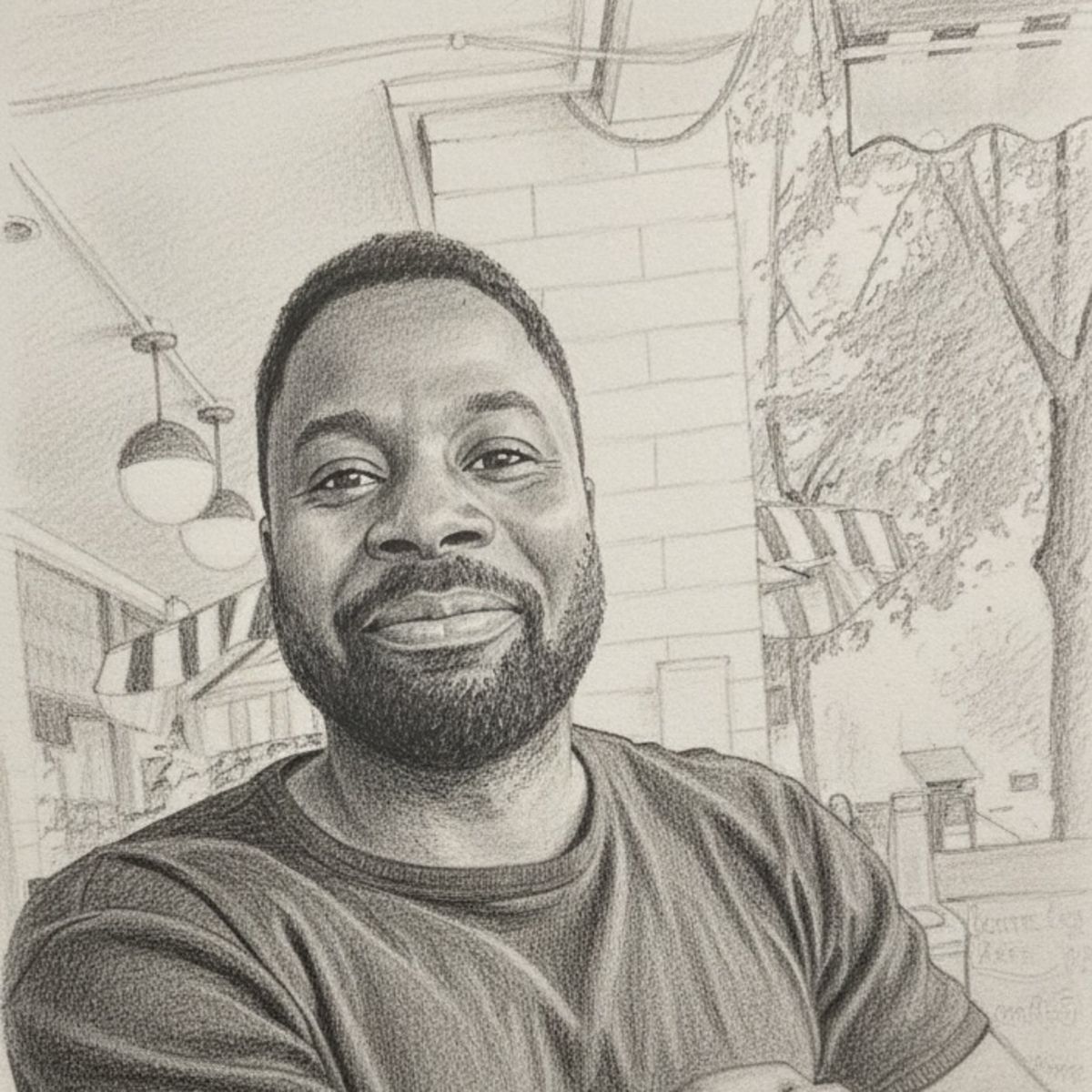
Last week, I joined Mo Dhaliwal on the High Agency podcast for a wide-ranging conversation about journalism, the evolution of local media, and what it actually takes to build community in a city like Vancouver.
You can watch/listen to the full episode here, but here are a few highlights:
How I accidentally became a journalist
I shared the story of walking into Carleton’s student newspaper as a political science student—no journalism degree, no credentials—and asking if I could learn. That moment changed the trajectory of everything I’ve done since. Initiative > permission.
The early days of Vancouver’s tech scene
When I moved here in 2015, Vancouver tech was small and scrappy. A few meetups. A few anchor companies. A lot of hustle. Today, it’s grown into a dense ecosystem with real operators, repeat founders, acquisitions, and global-scale companies. The biggest shift? We finally have history—and we’re not telling enough of it.
Media’s transformation
We talked about why media feels like it’s constantly in crisis—but is actually in a period of reinvention. Tools like Substack and Beehiv allow anyone to publish, distribution is algorithmic, and every creator is now a brand. But the fundamentals haven’t changed: trust, clarity, and community still win.
The challenges—and opportunities—in funding
I shared the nuance behind the idea that “Vancouver investors don’t invest.” The truth is more complicated. Yes, founders sometimes need to go south. But many also don’t need capital—they need customers. And with today’s low-cost tools, the four-person, highly-leveraged startup is becoming the norm.
Why community still requires real rooms
One thing hasn’t changed: people want to gather. Whether it’s a podcast audience, newsletter readers, or founders in town for Web Summit, community isn’t built online—it’s activated there. It's built in person, conversation by conversation.
My advice to creators
Mo asked what I’d tell anyone starting a podcast or publishing habit. My answer: keep going. Ship 100 episodes, 100 newsletters, 100 posts. Consistency is the filter. You won’t need feedback after the reps—the work will teach you the work.